

Mesothelioma Asbestos Lung Cancer
Mesothelioma affects the tissue that lines the chest cavity, lungs, and, in rare instances, the linings of the abdomen and heart. The primary cause of mesothelioma is asbestos exposure.
Asbestos fibers get stuck in tissues and cause DNA damage. kenner asbestos attorneys turns cells into mesothelioma cancerous cells.
Signs and symptoms
Mesothelioma is a type of cancer that affects the tissues that line and protect the organs inside the body. Exposure to asbestos fibers can cause these cancerous cells to grow into mesothelioma-related tumors. The majority of mesothelioma cases are found in the lungs. However, it could also happen in the lining of the abdomen, heart and testicles.
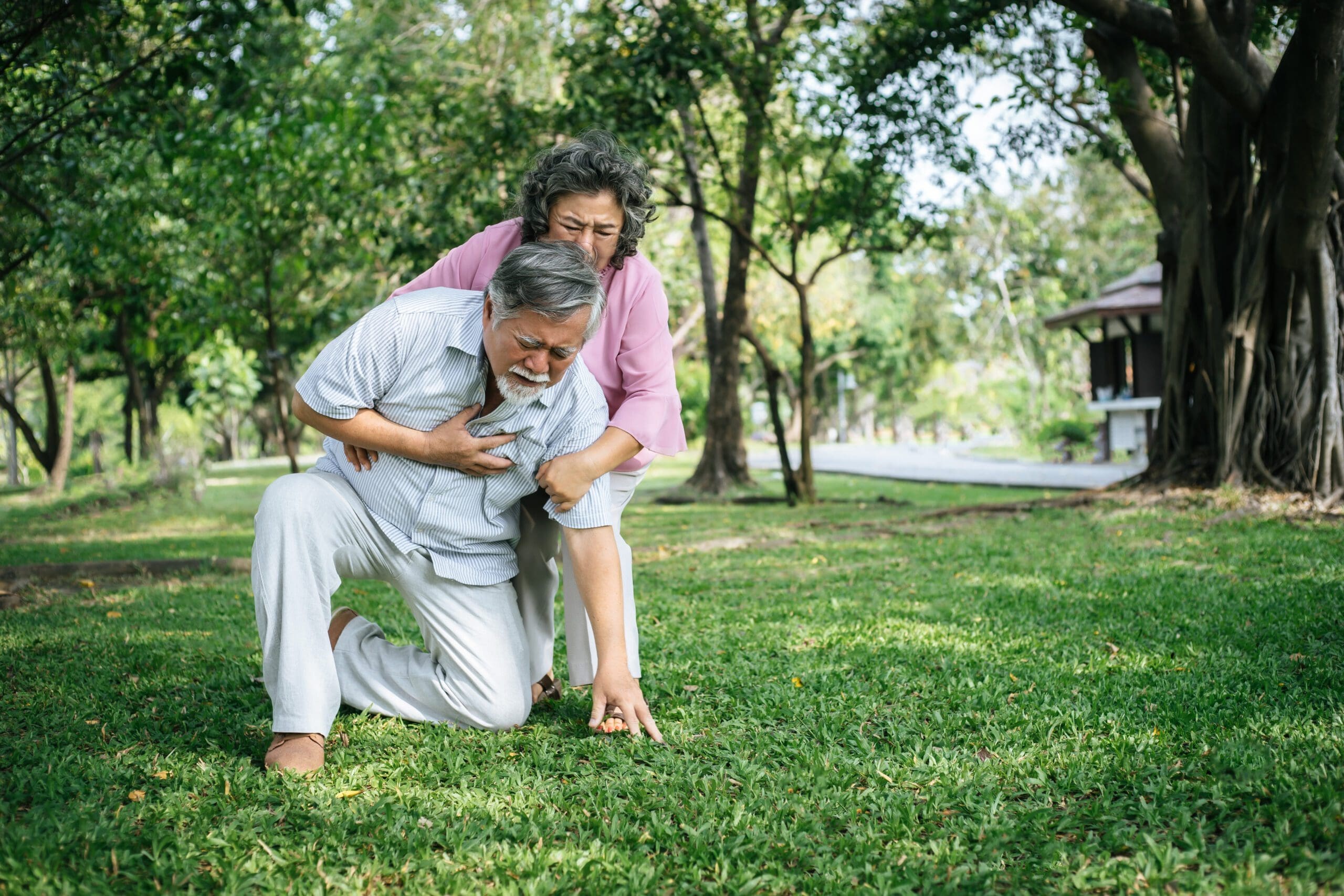
Breathlessness, chest discomfort and coughing are the most frequent symptoms of mesothelioma. Some patients also experience abdominal pain, fatigue, and weight loss. These symptoms can be confusing and difficult to recognize in the beginning, especially when mesothelioma is still a relatively young disease. The symptoms of mesothelioma may not appear for years or even decades following asbestos exposure.
A physical examination and medical history of the patient is the first steps in determining mesothelioma. A doctor may require blood tests and imaging scans to determine the severity of the symptoms. These scans include CT (computer-tomography) scans as well as MRI and PET scans (positron emission Tomography).
X-rays could reveal a lump or fluid that is not normal in the lungs. These scans help the doctor determine the kind and location of mesothelioma. Sarcomatoid and mesothelioid are the two main kinds. Epithelioid mesothelioma is responsible for about 70% of all mesothelioma cases. Sarcomatoid mesothelioma, on the other hand, is and has a poorer prognosis than epithelioid mesothelioma.
People with pleural cancer typically suffer from a painful, non-productive cough and breathing difficulties. In some cases, people with pleural mesothelioma may have an abnormal heart murmur a condition known as pericardial effusion or swelling of the scrotum (tunica vaginalis).
The most accurate way to determine if mesothelioma has been diagnosed is to collect a tissue sample or biopsy, to test. The type of mesothelioma will determine how a doctor treats the illness. If a patient has pericardial cancer, the doctor will drain excess fluid using a procedure known as pleurodesis, or place an pleural catheter to reduce inflammation and enhance respiration. Other options include chemotherapy and surgery.
Diagnosis
Mesothelioma, a form of cancer, develops in the linings of organs known as the mesothelium. The majority of cases occur in the lung (pleura), though it can also manifest in the abdomen (peritoneum) or around the testes (tunica vaginalis).
The signs of mesothelioma may be seen between 10 and fifty years after the initial exposure. Due to this time of latency, many patients are mistakenly diagnosed. The condition is often mistakenly referred to as other conditions that are less serious, such as pneumonia or the flu. This mistake could cause delays in treatment that can reduce the chances of survival for a patient.
If you suspect that you might have mesothelioma should consult their physician immediately. In the initial appointment, doctors will review the medical history of the patient in order to identify any symptoms or factors that may increase their likelihood of developing mesothelioma. This includes previous asbestos exposure and the kind and duration.
The next step is for doctors to request imaging tests to look at the abdomen and chest for any signs of mesothelioma or other abnormalities. Chest X-rays, CT scans and MRIs all offer detailed images of the interior of the body. They can reveal lung changes like the thickening of the pleura or the buildup of fluid. They can also show if the mesothelioma cancer has spread to other parts of the body.
A doctor may also order a test of the blood to determine if a patient has high levels of certain substances related to mesothelioma. They can also perform the procedure known as the thoracentesis. This involves the removal of a sample from the fluid surrounding the lungs to check for cancerous cells.
If a mesothelioma diagnosis is confirmed the biopsy procedure will be taken to check an insignificant portion of the tumor to detect cancerous cells. VATS (video assisted thoracoscopic surgical) or a needle-guided CT scan can be used to carry out this procedure. The results of this will aid in determining the most effective mesothelioma treatment for the patient. This may include chemotherapy, surgery, or radiation therapy. Some patients will also opt to undergo immunotherapy. This more advanced mesothelioma treatment may improve the quality of life for patients and improve their prognosis.
Treatment
Mesothelioma is a cancer that is a threat to the tissues that line and protect organs, such as the stomach, lungs (peritoneal) or the heart or testicles. Although mesothelioma is not curable, it can be treated, treatment can help control symptoms.
Your doctor will inquire about your medical history and look for signs of mesothelioma. Your doctor will also inquire about your exposure to asbestos, as this is the number one risk factor for mesothelioma. Exposure to asbestos can cause asbestos fibers to get trapped in the tissues of the chest cavity, tummy or heart (mesothelium). This can cause inflammation over time and may change normal cells into cancerous ones. Blood tests and imaging tests can be used to diagnose mesothelioma.
Your healthcare provider uses a chest X ray to determine if you have fluid accumulation (pleural effusion). Your healthcare provider will request an MRI, CT scan, or FDG-positron emissions (PET) to obtain precise images. They will also perform the procedure of a needle biopsy to collect a sample of the affected tissue.
A mesothelioma expert, also known as a pathologist will look at the mesothelioma tissues under a microscope to identify cancerous cells and determine the kind of mesothelioma you have. To establish the diagnosis, the doctor will stain the tissue sample with a dye that lights up when certain types of proteins are present. The doctor will then employ an instrument to magnify the tissue.
It can be difficult to identify mesothelioma since the cells that cause it look similar to those of other types of cells within the body. Your healthcare provider will confirm the diagnosis of mesothelioma using other tests. These tests include the collection of blood samples to determine the levels of fibulin-3 or mesothelin related peptide that is soluble.
Your care team will decide on a mesothelioma treatment plan depending on the kind of cancer you have and how advanced it is. The most common mesothelioma treatments include chemotherapy, surgery and radiation therapy. If your mesothelioma is in advanced stages, you may also receive palliative care to relieve pain and other symptoms.
Prognosis
The prognosis for mesothelioma patients is based on the type and stage of cancer as well as other factors like age and general health. Patients should consult with doctors who are skilled to find out about the treatment options available to them.
Asbestos fibers can cause damage to tissues that line vital organs and safeguard them from harm. These asbestos fibers are inhaled or consumed, and they can cause genetic changes and inflammation, which transform normal cells into mesothelioma tumors. The most frequent mesothelioma variants are pleural mesothelioma, which occurs in the lining of the lungs and chest cavity (pleura) and mesothelioma of the peritoneal region, a rarer form that arises in the lining of the abdomen.
Doctors diagnose mesothelioma using symptoms, lab tests and X-rays. They may also recommend that a biopsy to confirm the diagnosis. A biopsy is the process of taking tiny amounts of tissue to be tested. Doctors can then compare biopsy samples against databases to determine the most likely mesothelioma cells type. This information can be used to determine the life expectancy of a patient suffering from mesothelioma as well as their treatment plan.
Mesothelioma cells are classified into three categories: epithelioid, epithelial, sarcomatoid and biphasic. Each mesothelioma kind develops at different rates and responds to treatment in a different way. Epithelioid mesothelioma makes up 60% to 80% of cases and has a higher survival rate than sarcomatoid and biphasic mesothelioma.
It can take as long as 50 years for mesothelioma to develop following exposure to asbestos, so many patients do not be diagnosed with mesothelioma until they begin to experience serious symptoms. Asbestos victims should disclose their exposure to a physician and have regular checkups.
In these visits, doctors will examine for signs of asbestos-related exposure for example, lung scarring or other respiratory problems. They can also conduct a simple blood check to assess the health of the patient. If the results indicate that the risk of a patient developing mesothelioma is very high, they can arrange for further tests to determine an estimate of the prognosis for mesothelioma. This will include imaging exams like X radiations, CT scans, and ultrasounds, along with lung function tests and a chest MRI, or PET scan.